
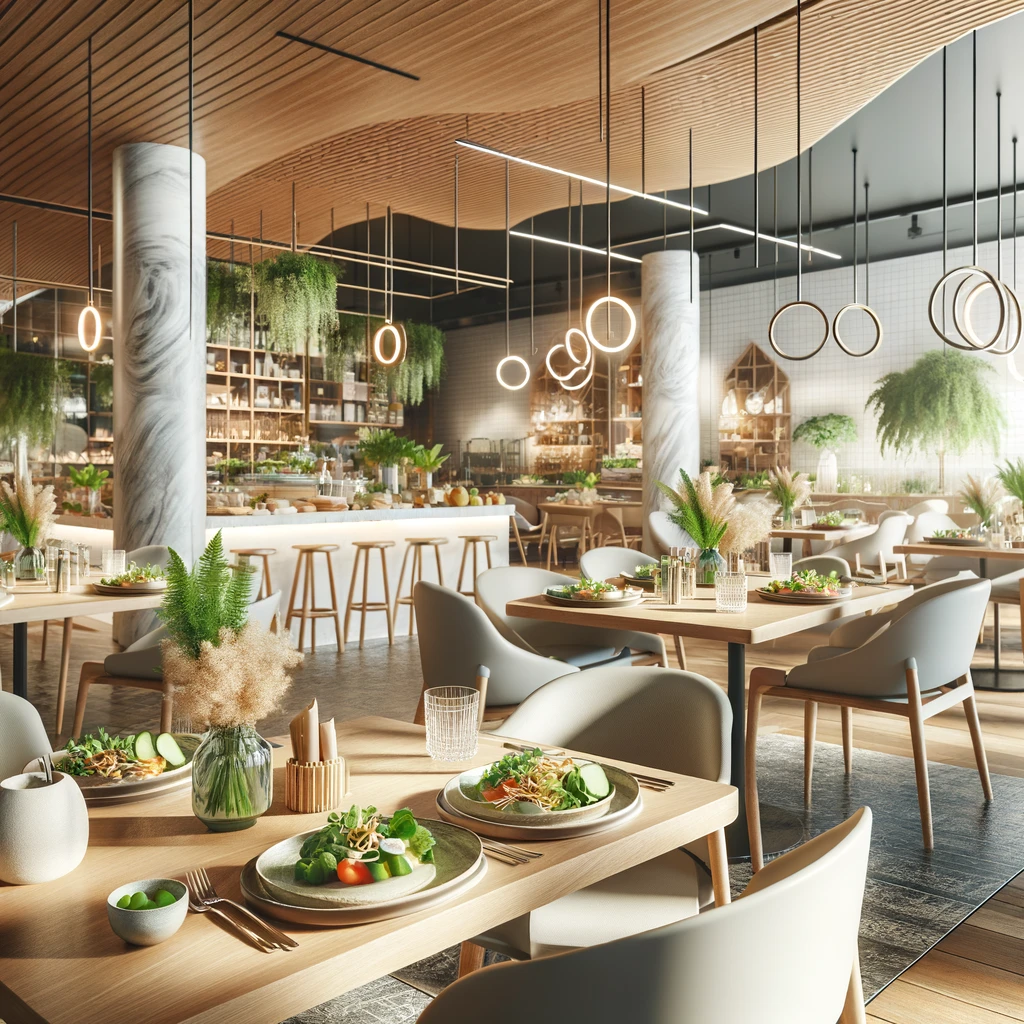


The Best Health-Conscious Restaurants to Try in 2024
Introduction to Health-Conscious Dining: Embracing Nutrition in Contemporary Cuisine
In recent years, there has been a significant shift in the dining landscape towards health-conscious eating. Restaurants and eateries are increasingly focusing on menus that not only tantalize the taste buds but also offer substantial nutritional benefits. This movement is driven by a growing consumer awareness of health and wellness and the role food plays in promoting a healthy lifestyle. Understanding this trend and its importance can help diners make informed choices that align with their health goals.
The Rise of Health-Focused Restaurants
Consumer Demand
- Wellness Awareness: As people become more aware of the health implications of their diet, there’s an increased demand for dining options that support a healthy lifestyle. This awareness is bolstered by access to information through media, health experts, and nutritional education.
- Lifestyle Diseases: With rising rates of obesity, diabetes, and other lifestyle-related health issues, more consumers are seeking food choices that contribute to long-term health rather than just offering short-term gratification.
Market Response
- Menu Innovations: Many restaurants now feature menus with whole, unprocessed foods, fewer additives, reduced sugar and salt, organic ingredients, and gluten-free, vegan, or vegetarian options.
- Transparency: There is also a trend towards transparency in sourcing and preparing foods. Restaurants are increasingly providing detailed information about the origin of their ingredients and their nutritional content.
Importance of Nutrition in Contemporary Dining Choices
Personal Health
- Balanced Diet: Modern diners often look for meals that offer a balance of macronutrients (proteins, fats, and carbohydrates) and essential micronutrients (vitamins and minerals). Health-conscious restaurants cater to this need by crafting dishes that not only taste good but also offer nutritional balance.
- Special Dietary Needs: With the increase in dietary restrictions and preferences, such as lactose intolerance, allergies, vegetarianism, and ketogenic diets, restaurants are adapting their menus to accommodate these needs more comprehensively.
Sustainability
- Ethical Eating: There’s a growing recognition that health-conscious dining is not only about personal health but also about environmental sustainability. This has led to an increase in farm-to-table restaurants, which prioritize local and sustainable sourcing practices, thereby reducing the carbon footprint associated with transporting food items.
- Reduced Waste: Health-focused restaurants often lead the way in minimizing food waste, another critical aspect of sustainable dining, by optimizing portion sizes and using more parts of each ingredient.
The Broader Impact
Community Health
- Public Health Initiatives: Health-conscious restaurants often participate in broader public health initiatives, offering educational programs about nutrition and healthy eating habits.
- Economic Impact: As the demand for healthy dining options increases, there is significant economic potential for businesses that can effectively cater to this market segment.
Future Trends
- Technological Integration: Future developments may include more personalized dining experiences through technology, such as menus adapted to individual nutritional needs based on health data.
- Global Influences: The globalization of food culture also brings diverse, health-focused culinary practices to the forefront, enriching the choices available to diners.
Farm-to-Table Establishments: Pioneering Sustainable and Local Dining
Farm-to-table restaurants have carved out a significant niche in the culinary world by emphasizing direct relationships between local farms and their kitchens. This movement, which focuses on locally sourced and often organic ingredients, brings with it a plethora of benefits both culinary and environmental. These establishments are not just places to eat; they are part of a broader food philosophy that values sustainability, community support, and nutritional wholesomeness.
Spotlight on Farm-to-Table Dining
Core Philosophy
- Local Sourcing: Farm-to-table restaurants prioritize ingredients sourced from local producers and farmers’ markets. This practice ensures that the food is not only fresh but also retains more nutrients that might be lost over long transit times.
- Seasonal Menus: Menus change with the seasons, reflecting the natural growing cycles of the region. This not only supports sustainable agriculture practices but also introduces diners to a variety of foods they might not otherwise encounter.
Chef and Farmer Partnerships
- Direct Relationships: Chefs often work closely with farmers to develop a mutual understanding of what can be grown sustainably and how the land can be best utilized. This partnership ensures a consistent supply of fresh ingredients and supports local agriculture.
- Custom Crops: In some cases, chefs can request farmers to grow specific crops for them, allowing for unique ingredients that support innovative dishes.
Benefits of Locally-Sourced and Organic Ingredients
Enhanced Flavor and Nutrition
- Freshness: Ingredients that are bought directly from local farms are typically fresher than those that have traveled long distances. This freshness often translates into enhanced flavor and texture, making meals more enjoyable.
- Higher Nutritional Value: Fresh, minimally processed foods retain more of their natural vitamins and minerals, contributing to a healthier diet.
Support for Local Economies
- Economic Impact: By purchasing from local farmers and producers, farm-to-table restaurants help to keep money within the local economy, supporting small businesses and contributing to the economic stability of the community.
- Job Creation: This movement can also create jobs, as restaurants might need more staff to handle the increased workload that comes with processing whole, fresh ingredients.
Environmental Benefits
- Reduced Carbon Footprint: Local sourcing reduces the need for long-haul transportation, which significantly lowers the carbon footprint associated with the culinary industry.
- Promoting Biodiversity: Farm-to-table restaurants encourage farming practices that maintain biodiversity by utilizing a variety of crops, as opposed to monoculture, which dominates large-scale commercial farming.
Educational Opportunities
- Consumer Awareness: These establishments often take it upon themselves to educate patrons about the source of their food, the benefits of eating locally, and how to make more environmentally conscious food choices.
- Community Engagement: Many farm-to-table restaurants host workshops, farm visits, and cooking classes, strengthening community ties and promoting a greater understanding of sustainable food practices.
Vegan and Vegetarian Hotspots: Leading the Way in 2024
In 2024, vegan and vegetarian restaurants continue to thrive and expand, serving not just a niche demographic but appealing broadly to a health-conscious and environmentally aware public. These eateries not only cater to specific dietary preferences but also significantly impact environmental sustainability and health. Let’s explore some key vegan and vegetarian hotspots leading the charge and how they are setting new standards for the restaurant industry.
Key Vegan and Vegetarian Restaurants in 2024
Plant Cafe & Bistro
- Location: San Francisco, CA
- Concept: This hotspot is renowned for its creative dishes that utilize organic and locally sourced ingredients. The menu features a range of innovative plant-based dishes that appeal to both vegans and non-vegans alike, emphasizing flavor and culinary creativity.
Vedge
- Location: Philadelphia, PA
- Concept: A high-end restaurant that offers an entirely vegan menu focusing on seasonal ingredients. Known for its artistic plating and exceptional flavor profiles, Vedge transforms vegetables into star components, proving that vegan cuisine can be both gourmet and mainstream.
Green Elephant
- Location: Portland, ME
- Concept: Positioned as a vegetarian bistro, Green Elephant appeals to a wide audience with its Asian-inspired vegetarian and vegan dishes. Its commitment to sustainability is evident in its sourcing of ingredients and the eco-friendly materials used in its decor.
Blossom
- Location: New York, NY
- Concept: Blossom on Columbus is part of a small chain of restaurants that serves innovative vegan dishes made from fresh, organic ingredients. Its menu is designed to show how varied and flavorful vegan eating can be, with dishes ranging from seitan steak to vegan lasagna.
Catering to Health and Environmental Sustainability
Health Benefits
- Nutrient-Rich Menus: These restaurants often feature menus rich in fruits, vegetables, whole grains, and legumes, all of which contribute to a balanced, nutrient-dense diet.
- Lower Caloric Options: Many dishes in vegan and vegetarian cuisine are naturally lower in calories while being high in fiber and essential nutrients, supporting overall health and wellness.
Environmental Impact
- Reduced Carbon Footprint: Plant-based diets have a lower environmental impact than diets high in animal products. By serving vegetarian and vegan options, these restaurants help reduce the carbon footprint associated with animal farming.
- Sustainable Practices: Many of these establishments prioritize sustainability not just in their food, but in their operations—using recycled materials, minimizing waste, and conserving water and energy.
Educational Outreach
- Promoting Plant-Based Diets: Beyond serving food, many vegan and vegetarian hotspots engage in educational efforts to inform the public about the benefits of a plant-based diet, hosting workshops, talks, and cooking classes.
- Community Involvement: These restaurants often foster a sense of community by supporting local farms, participating in local sustainability initiatives, and creating spaces that encourage discussions about food and the environment.
Gluten-Free and Allergy-Friendly Cafes: Leading the Charge in Dietary Inclusivity
As awareness of food allergies and sensitivities grows, the demand for restaurants that cater to diverse dietary needs has never been higher. Gluten-free and allergy-friendly cafes are at the forefront of this movement, ensuring that everyone, regardless of dietary restrictions, can enjoy dining out without worry. These establishments not only provide safe dining experiences but also promote inclusivity and awareness, making them pivotal in today’s culinary landscape.
Restaurants Excelling in Gluten-Free and Allergy-Friendly Menus
Wildflour Gluten-Free Bakery
- Location: Bellevue, WA
- Concept: This bakery and cafe specializes in 100% gluten-free baked goods and meals, ensuring safety for celiac disease sufferers and those with gluten sensitivities. Their extensive menu includes everything from fresh breads to decadent desserts, all made without gluten.
The Allergy Table
- Location: Rochester, MI
- Concept: Known for its rigorous commitment to allergy safety, this cafe offers a menu free from the top eight allergens. It’s a haven for individuals with severe allergies, providing peace of mind alongside delicious, worry-free meals.
Jennifer’s Way Bakery
- Location: New York, NY
- Concept: Founded by actress Jennifer Esposito, who has celiac disease, this bakery offers gluten-free and allergen-conscious products. It focuses on organic, non-GMO ingredients, catering to those who are not only gluten-sensitive but also health-conscious.
Sensitive Sweets
- Location: Fountain Valley, CA
- Concept: Specializing in desserts, this bakery caters to customers with food allergies by offering products free from gluten, nuts, eggs, soy, and dairy. Their mission is to provide safe, delicious desserts for birthday parties and other celebrations where allergies are a concern.
Importance of Inclusivity in Dietary Needs and Preferences
Health and Safety
- Medical Necessities: For many individuals, avoiding certain ingredients is not a choice but a necessity. Allergy-friendly cafes provide a safe dining environment, reducing the risk of cross-contamination and allergic reactions.
- Mental and Emotional Well-being: Knowing there are safe dining options available relieves the stress and anxiety associated with dining out for many people with dietary restrictions.
Social and Cultural Inclusion
- Breaking Barriers: Food is a central part of social interactions. Allergy-friendly and gluten-free cafes ensure that everyone can participate fully in social and cultural events without feeling excluded or marginalized due to their dietary needs.
- Awareness and Education: These establishments play a critical role in educating the public about food allergies and sensitivities. They help to normalize dietary restrictions, fostering a more informed and empathetic society.
Culinary Innovation
- Creative Menus: Gluten-free and allergy-friendly cafes often pioneer culinary innovations by experimenting with alternative ingredients and cooking techniques to create dishes that are both safe and delicious.
- Broad Appeal: Many such cafes find that their offerings appeal not only to those with dietary restrictions but also to a broader audience interested in healthier, cleaner eating.
Raw Food and Superfood Centers: Nourishing the Body with Nature’s Bounty
In the evolving landscape of health-conscious eating, restaurants focusing on raw food diets and superfoods are gaining prominence. These establishments cater to a growing segment of the population seeking meals that are not only minimally processed but also densely packed with nutrients. Here’s an exploration of how these restaurants operate, the philosophies they embrace, and the health benefits associated with their offerings.
Spotlight on Raw Food and Superfood Restaurants
Raw food and superfood centers are more than just dining establishments; they are hubs of wellness and nutrition education. By serving dishes made from uncooked and untreated ingredients, they aim to preserve the natural enzymes and nutrients that cooking may diminish. Here’s a look at some notable restaurants in this category:
Pure Food and Wine – New York, NY
- Concept: One of the first high-end raw food restaurants, Pure Food and Wine serves gourmet, raw, and organic plant-based cuisine. Their menu features innovative dishes that maintain the nutritional integrity of superfoods and raw ingredients.
The Raw Kitchen – Fremantle, Australia
- Concept: This restaurant combines a raw food cafe with yoga classes and wellness workshops, emphasizing a holistic approach to health. Their dishes are creatively prepared, proving that raw food can be both healthful and gastronomically delightful.
Tanya’s Cafe – London, UK
- Concept: Tanya’s Cafe integrates raw food principles with appealing, flavorful recipes. The menu showcases how diverse and satisfying raw food can be, with dishes ranging from raw pizzas to decadent desserts.
Health Benefits of Raw and Nutrient-Dense Foods
Maximizing Nutrient Intake
- Enzymes and Vitamins: Raw foods are rich in enzymes necessary for digestion and vitamins that are often lost in cooking. Consuming raw foods ensures a higher intake of these vital nutrients.
- Antioxidants and Phytonutrients: Many raw fruits, vegetables, nuts, and seeds are high in antioxidants and phytonutrients, which combat oxidative stress and support overall health.
Weight Management and Digestive Health
- Low Calorie, High Fiber: Raw food diets are typically lower in calories and higher in fiber, which can help in weight management and promote digestive health.
- Natural Detoxification: The high fiber content along with natural enzymes helps cleanse the body’s digestive systems, enhancing detoxification processes.
Disease Prevention
- Chronic Disease: Diets high in raw and nutrient-dense foods can reduce the risk of chronic diseases such as diabetes, heart disease, and cancer. The nutrients in these foods help in maintaining optimal body functions and strengthening the immune system.
- Inflammation: Many superfoods have anti-inflammatory properties that can alleviate conditions associated with chronic inflammation.
Culinary Innovation and Community Engagement
Educational Outreach
- Workshops and Classes: Many raw food and superfood centers offer cooking classes and nutrition workshops, helping patrons understand the benefits of raw foods and learn how to incorporate them into their daily lives.
- Community Building: These establishments often foster a sense of community among health-conscious diners, creating spaces where people can share experiences and learn from each other.
Raw Food and Superfood Centers: Nourishing the Body with Nature’s Bounty
In the evolving landscape of health-conscious eating, restaurants focusing on raw food diets and superfoods are gaining prominence. These establishments cater to a growing segment of the population seeking meals that are not only minimally processed but also densely packed with nutrients. Here’s an exploration of how these restaurants operate, the philosophies they embrace, and the health benefits associated with their offerings.
Spotlight on Raw Food and Superfood Restaurants
Raw food and superfood centers are more than just dining establishments; they are hubs of wellness and nutrition education. By serving dishes made from uncooked and untreated ingredients, they aim to preserve the natural enzymes and nutrients that cooking may diminish. Here’s a look at some notable restaurants in this category:
Pure Food and Wine – New York, NY
- Concept: One of the first high-end raw food restaurants, Pure Food and Wine serves gourmet, raw, and organic plant-based cuisine. Their menu features innovative dishes that maintain the nutritional integrity of superfoods and raw ingredients.
The Raw Kitchen – Fremantle, Australia
- Concept: This restaurant combines a raw food cafe with yoga classes and wellness workshops, emphasizing a holistic approach to health. Their dishes are creatively prepared, proving that raw food can be both healthful and gastronomically delightful.
Tanya’s Cafe – London, UK
- Concept: Tanya’s Cafe integrates raw food principles with appealing, flavorful recipes. The menu showcases how diverse and satisfying raw food can be, with dishes ranging from raw pizzas to decadent desserts.
Health Benefits of Raw and Nutrient-Dense Foods
Maximizing Nutrient Intake
- Enzymes and Vitamins: Raw foods are rich in enzymes necessary for digestion and vitamins that are often lost in cooking. Consuming raw foods ensures a higher intake of these vital nutrients.
- Antioxidants and Phytonutrients: Many raw fruits, vegetables, nuts, and seeds are high in antioxidants and phytonutrients, which combat oxidative stress and support overall health.
Weight Management and Digestive Health
- Low Calorie, High Fiber: Raw food diets are typically lower in calories and higher in fiber, which can help in weight management and promote digestive health.
- Natural Detoxification: The high fiber content along with natural enzymes helps cleanse the body’s digestive systems, enhancing detoxification processes.
Disease Prevention
- Chronic Disease: Diets high in raw and nutrient-dense foods can reduce the risk of chronic diseases such as diabetes, heart disease, and cancer. The nutrients in these foods help in maintaining optimal body functions and strengthening the immune system.
- Inflammation: Many superfoods have anti-inflammatory properties that can alleviate conditions associated with chronic inflammation.
Culinary Innovation and Community Engagement
Educational Outreach
- Workshops and Classes: Many raw food and superfood centers offer cooking classes and nutrition workshops, helping patrons understand the benefits of raw foods and learn how to incorporate them into their daily lives.
- Community Building: These establishments often foster a sense of community among health-conscious diners, creating spaces where people can share experiences and learn from each other.
Paleo-Focused Eateries: Embracing High-Protein, Low-Carb Dining
Paleo-focused eateries are carving out a significant niche in the culinary world by offering meals that adhere to the principles of the Paleolithic diet. This diet emphasizes foods that, in theory, were available to or consumed by humans during the Paleolithic era, including lean meats, fish, fruits, vegetables, nuts, and seeds, while avoiding processed foods, grains, and dairy. These establishments not only cater to those following a strict paleo regimen but also appeal to a broader audience seeking healthier, more natural dining options. Here’s how paleo-focused eateries are impacting the health-conscious dining scene.
Spotlight on Paleo-Focused Restaurants
Paleo restaurants are known for their commitment to high-quality ingredients and innovative approaches to traditional dishes. Here are a few notable examples:
Hu Kitchen – New York, NY
- Concept: Hu Kitchen focuses on ‘pre-industrial’ and ‘pre-agrarian’ foods, which aligns with the paleo ethos of minimizing processed foods and sugars. Their menu offers a variety of dishes that are not only paleo-friendly but also appealing to anyone interested in clean eating.
Mission Heirloom – Berkeley, CA
- Concept: This eatery takes a scientific approach to food, offering dishes that are meticulously crafted to align with paleo principles while ensuring that they are free from common allergens and inflammatory ingredients.
Picnik – Austin, TX
- Concept: Originally started as a food truck, Picnik has expanded into brick-and-mortar locations that specialize in gluten-free, grain-free, and paleo foods. They are particularly famous for their butter coffees and hearty, healthy breakfasts.
How Paleo Eateries Fit into a Health-Conscious Lifestyle
Nutritional Benefits
- High-Protein, Low-Carb Meals: Paleo meals are typically rich in proteins and low in carbs, which can help with weight management and muscle maintenance. This balance is beneficial for metabolic health and can aid in reducing cravings and stabilizing blood sugar levels.
- Rich in Micronutrients: By emphasizing fruits, vegetables, nuts, and seeds, paleo diets are high in essential vitamins, minerals, and antioxidants, which are crucial for overall health and well-being.
Dietary Restrictions and Sensitivities
- Allergen-Friendly: Many people with allergies or sensitivities to gluten, dairy, or other common allergens find paleo diets appealing because they naturally exclude these ingredients.
- Anti-Inflammatory: Paleo diets are often rich in omega-3 fatty acids and low in omega-6 fatty acids, promoting an anti-inflammatory environment in the body.
Sustainability and Ethical Eating
- Ethical Meat Sourcing: Paleo-focused eateries often prioritize sustainably sourced, grass-fed, and free-range meats, reflecting a commitment to ethical eating practices.
- Local and Organic Produce: These establishments commonly use organic and locally sourced produce to minimize the environmental impact of their food while supporting local agriculture.
Low-Calorie Dining: Satisfying Options for Weight Management
As more individuals prioritize health and wellness, the demand for low-calorie dining options has surged. Restaurants that specialize in creating fulfilling yet calorie-conscious meals cater to those looking to manage their weight without sacrificing flavor or dining out experiences. These establishments employ various culinary techniques to offer delicious, satisfying meals that support weight management goals. Let’s explore how these restaurants operate and the strategies they use to craft their menus.
Key Strategies for Low-Calorie Dining
Restaurants focusing on low-calorie meals use several innovative techniques to reduce calorie content while enhancing flavor and overall satisfaction:
Ingredient Substitution
- Vegetable-Based Alternatives: Replacing high-calorie ingredients like pasta with vegetable alternatives such as zucchini noodles or cauliflower rice drastically cuts calories while increasing nutrient content.
- Lean Proteins: Opting for lean cuts of meat like chicken breast, turkey, or fish instead of higher-fat meats helps keep the calorie count down.
Cooking Methods
- Grilling and Steaming: These cooking methods require little or no added fat, unlike frying or sautéing, helping to reduce the calorie content of the dishes.
- Herbs and Spices: Enhancing dishes with a variety of herbs and spices can make up for less salt and fat, adding flavor without extra calories.
Spotlight on Low-Calorie Dining Establishments
Seasons 52
- Location: Various locations across the USA
- Concept: Seasons 52 changes its menu seasonally to incorporate fresh, local ingredients, and each dish is designed to be nutritionally balanced and under 475 calories.
LYFE Kitchen
- Location: Various locations across the USA
- Concept: Focused on living your “lyfe” to the fullest, LYFE Kitchen offers meals that are nutritious, balanced, and flavorful, with a keen eye on keeping calorie counts low and satisfaction high.
The Protein Bar
- Location: Chicago, IL and other locations
- Concept: Specializing in protein-rich, low-calorie meals that cater to an active lifestyle, The Protein Bar offers smoothies, bowls, and wraps that are both healthful and calorie-conscious.
Benefits of Low-Calorie Dining
Weight Management
- Calorie Control: Eating lower-calorie meals can help maintain a calorie deficit, which is essential for weight loss and management.
- Portion Control: Many low-calorie restaurants also focus on portion control, which can help diners learn to eat satisfying amounts without overindulging.
Health Improvement
- Reduced Risk of Chronic Diseases: Low-calorie diets can reduce the risk of developing chronic diseases such as type 2 diabetes, heart disease, and certain cancers.
- Increased Nutrient Intake: By focusing on nutrient-dense foods like vegetables and lean proteins, diners benefit from a higher intake of essential vitamins and minerals.
Organic and Non-GMO Restaurants: A Healthy Shift in Dining Trends
The rise of organic and non-GMO restaurants is a clear indicator of a shift in consumer preferences toward more transparent and healthier dining options. In recent years, there has been a significant increase in demand for foods that are not only beneficial to health but also environmentally friendly. This article explores the trend of restaurants committed to using 100% organic and non-GMO ingredients and delves into why consumers are now more than ever pushing for transparency in food sourcing.
Highlighting Restaurants Committed to Using 100% Organic and Non-GMO Ingredients
In a world where health consciousness is at its peak, restaurants that commit to using 100% organic and non-GMO ingredients are not just making a statement but are setting new standards for the food industry. These establishments cater to a growing demographic of health-conscious eaters who prioritize the quality and origin of the food on their plates.
Organic ingredients are produced without synthetic pesticides, genetic modification, and artificial fertilizers, while non-GMO products are free from any genetic manipulation. Restaurants specializing in these criteria often source their ingredients from trusted organic farms, ensuring that everything from the vegetables to the meats is produced according to strict organic farming standards. This commitment not only supports sustainable farming practices but also promotes biodiversity and reduces environmental pollution.
One such example is the restaurant “Earth’s Bounty,” a pioneer in organic dining located in the heart of San Francisco. Earth’s Bounty has been a frontrunner in the organic restaurant niche, offering a menu that is seasonal, locally sourced, and completely free of genetically modified organisms. Their commitment is reflected in their transparent sourcing methods, where they openly share details about their food suppliers and farming practices with their customers.
Consumer Demand for Transparency in Food Sourcing
The push for transparency in food sourcing stems from a broader consumer awareness of the impacts of their dietary choices on health and the environment. In the digital age, information is at our fingertips, and consumers are leveraging this to make more informed decisions about what they eat. The demand for transparency goes beyond knowing if food is organic or non-GMO; it extends to understanding where it comes from, how it is grown, and its journey from farm to table.
A survey conducted by the Organic Trade Association revealed that over 82% of American households purchase organic food regularly. This statistic underscores the importance of transparent labeling and the need for restaurants to be upfront about their ingredients. Diners today are not just satisfied with attractive menus; they are digging deeper, asking questions about food origins, and expecting honest answers.
Restaurants that are transparent about their sourcing often find a loyal customer base. For instance, “Green Plate,” a small chain of eateries in New York, has implemented QR codes on their menus that when scanned, show detailed information about the origin of the ingredients used in their dishes. This level of transparency has not only satisfied curious customers but has also elevated the restaurant’s reputation for accountability and trustworthiness.
The trend toward organic and non-GMO dining is supported by numerous benefits, not only health-related but also ecological. By supporting restaurants that adhere to these practices, consumers are indirectly contributing to larger movements such as sustainable agriculture and reduced ecological footprint, making a profound impact on the global food landscape.
The Future of Health-Conscious Dining
As we look towards the future, the landscape of health-conscious dining appears not only promising but also innovative. The evolution of the food industry, influenced by growing health awareness and environmental concerns, suggests that the future of dining could significantly differ from traditional practices. With a greater emphasis on sustainability and well-being, restaurants are increasingly incorporating organic and non-GMO foods into their menus, forecasting a trend that is here to stay.
This shift towards health-conscious dining aligns perfectly with the public’s increasing interest in holistic health. People are now more aware of how their food choices affect their health, longevity, and the environment. The demand for meals prepared with organic and non-GMO ingredients is expected to grow, encouraging more restaurants to adopt these practices. This change is not just a passing trend but a movement towards a sustainable and health-focused food industry.
Innovations in food technology and supply chain management will further enhance the ability of restaurants to meet consumer demands for transparency and quality. We might see more advanced tracking and reporting systems that allow consumers to trace their food back to its source with greater accuracy. Additionally, the integration of urban farming and vertical gardens within restaurant spaces could revolutionize the way fresh produce is sourced, offering peak freshness and reducing the carbon footprint associated with food transportation.
Encouragement to Explore Diverse and Nutritional Eating Options for Overall Well-Being
The rise of organic and non-GMO dining is not just about avoiding harmful chemicals and genetic modifications; it’s also about embracing a diverse and nutritionally rich diet. Restaurants focusing on organic foods often offer a wider variety of fruits, vegetables, grains, and proteins that you might not find in conventional establishments. This diversity encourages diners to explore new flavors and ingredients, expanding their culinary horizons and enhancing their nutrient intake.
Exploring diverse eating options also introduces consumers to different cultures and eating habits, promoting a more inclusive understanding of nutrition and well-being. It encourages experimentation with different dietary practices, such as vegetarianism, veganism, or flexitarian diets, which can lead to improved health outcomes. Each of these diets focuses on plant-based foods, aligning well with organic and non-GMO principles and offering robust health benefits.
Furthermore, as more people recognize the benefits of organic and non-GMO foods, there is a growing encouragement for individuals to experiment with home cooking using these ingredients. This practice not only fosters a deeper connection with the food we eat but also builds community awareness and involvement in sustainable eating habits.
Frequently Asked Questions about Health-Conscious Restaurants
1- What defines a health-conscious restaurant?
A health-conscious restaurant focuses on offering meals that are not only flavorful but also nutritionally beneficial, typically featuring whole, unprocessed foods, fewer additives, and a balance of macronutrients and micronutrients.
2- Why are health-conscious restaurants becoming more popular?
Increased awareness of the health implications of diet, rising rates of lifestyle diseases, and a growing demand for sustainable dining options are driving the popularity of health-conscious restaurants.
3- What types of foods are typically served at health-conscious restaurants?
These restaurants often serve dishes made with organic ingredients, gluten-free options, vegan and vegetarian dishes, and meals prepared using methods that preserve nutritional content, such as steaming or grilling.
4- How do health-conscious restaurants cater to special dietary needs?
Many such restaurants offer menu options that cater to various dietary restrictions, including vegan, vegetarian, gluten-free, and allergy-friendly choices, often clearly marked on the menu.
5- What are the benefits of eating at health-conscious restaurants?
Benefits include consuming meals that support a balanced diet, accommodating dietary restrictions, reducing consumption of processed foods, and supporting sustainable agricultural practices.
6- How can I find a good health-conscious restaurant?
Look for restaurants that transparently disclose their food sourcing and preparation practices, check reviews for mentions of fresh, organic ingredients, and seek recommendations from local health food stores or online health-focused communities.
7- Can health-conscious dining fit into any lifestyle or diet?
Yes, health-conscious restaurants typically offer a variety of dishes that can fit into different dietary plans, from low-calorie and low-carb options to protein-rich and plant-based meals.
8- What should I look for on the menu when dining at a health-conscious restaurant?
Look for dishes that use whole, unprocessed ingredients, are rich in vegetables and lean proteins, and include healthy fats. Avoid dishes with excessive sauces or dressings, which can add hidden calories and sodium.
9- Are health-conscious restaurants more expensive?
They can be, due to the higher cost of organic and sustainably sourced ingredients. However, many offer a range of options that can fit various budgets.
10- How do health-conscious restaurants contribute to sustainability? – They often use locally sourced ingredients to reduce transportation impacts, support local agriculture, and employ eco-friendly practices in their operations, such as minimizing waste and using biodegradable packaging.
References and Links
Explore authoritative resources and trusted organizations that provide in-depth information on health-conscious dining, nutrition, and sustainable eating practices.
- Mayo Clinic – Nutrition and healthy eating
- Harvard School of Public Health – The Nutrition Source
- World Health Organization – Healthy Diet
- United States Department of Agriculture – Dietary Guidelines for Americans
- Food and Agriculture Organization of the United Nations – Sustainable Diets
- EPA – Sustainable Management of Food
- Centers for Disease Control and Prevention – Nutrition, Physical Activity, and Obesity
- National Restaurant Association – What’s Hot Culinary Forecast
- Academy of Nutrition and Dietetics – What is a Plant-Based Diet?
- Environmental Working Group – EWG’s Shopper’s Guide to Pesticides in Produce


